
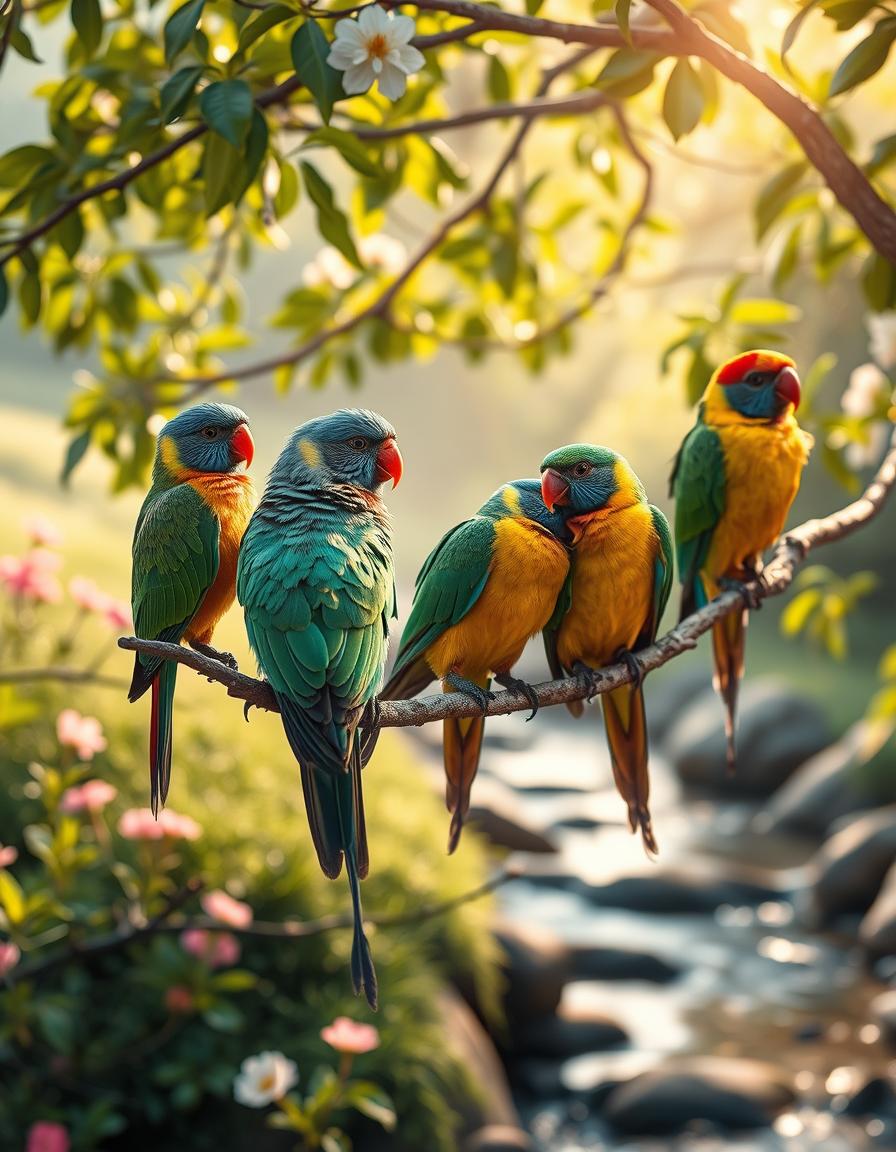
Birds have fascinated humans for centuries, fluttering effortlessly through the skies and often seeming to defy aging itself. Some of these feathered creatures live incredibly long lives, far surpassing what you might expect for their size and environment. Have you ever wondered why certain birds seem to age more gracefully, or why some species live significantly longer than others? The science behind birds anti aging is both surprising and inspiring, revealing insights that could one day influence human health and longevity.
Why Do Some Birds Live Longer?
Birds come in all shapes and sizes, yet some species can live for decades—sometimes even longer than larger mammals like cats or dogs. For example, parrots and albatrosses are known to reach ages well beyond 50 years, which is remarkable considering their body size. Unlike many animals that show rapid signs of aging, these birds maintain good health and vitality for most of their lives.
One reason behind this longevity is their ability to avoid many of the diseases and physical declines linked to aging. Birds seem to have biological systems that protect their cells, tissues, and organs from damage over time. Scientists study birds anti aging to understand how these mechanisms work and if similar benefits could apply to humans.
High Metabolism and Longevity: A Paradox
Most animals with fast metabolisms tend to live shorter lives, yet many birds break this rule. Their hearts beat rapidly, and their bodies work hard to fuel constant flight, but they still live long. This paradox has puzzled scientists. It turns out that birds have unique adaptations at the cellular level that reduce harmful byproducts of metabolism, such as oxidative stress. Oxidative stress can cause damage to DNA and proteins, accelerating aging. Birds’ cells handle this stress more efficiently, helping them stay youthful longer.
Enhanced DNA Repair Systems
Birds are also believed to have more effective DNA repair mechanisms. As DNA damage accumulates over time, it contributes to aging and disease. Birds anti aging studies have shown that some species possess a greater ability to fix DNA errors, preventing mutations and maintaining cell health. This might be one of the keys to their impressive lifespan and slower aging process.
Feathers and Skin: Signs of Youthful Aging
Feathers may seem like just beautiful plumage, but they also play a surprising role in birds anti aging. Feather quality can reflect a bird’s overall health. Birds regularly molt, shedding old feathers and growing new ones, which can help maintain a youthful appearance. Unlike human skin that shows wrinkles and sagging over time, bird feathers stay vibrant and strong through regular renewal.
Additionally, the skin of birds has properties that may protect against aging. Their skin cells produce antioxidants and other protective compounds that further reduce oxidative damage. In some ways, birds seem to have a built-in “anti-aging” skin care, keeping them looking sharp and flying smoothly through life.
Birds’ Immune Systems: Staying Strong as They Age
Another factor in birds anti aging is their immune system. Birds often face harsh environmental conditions, parasites, and diseases, yet they manage to stay healthy for decades. Their immune responses are efficient and adapted to minimize chronic inflammation, which is linked to aging in many creatures.
Reduced inflammation means less damage to tissues and organs over time. This might explain how birds maintain a high level of function even in later years. It’s like having a defense army that knows when to strike hard and when to hold back, ensuring peace and balance inside the body.
Birds Anti Aging: Lessons for Human Health
So, what can humans learn from birds anti aging? Scientists are fascinated by these avian abilities and hope to develop strategies that mimic birds’ natural defenses. Antioxidant therapies, improved DNA repair techniques, and better regulation of inflammation are all areas inspired by bird biology.
Some researchers are exploring how diet and lifestyle influence aging in birds, aiming to apply similar principles to human health. For instance, birds often consume nutrient-rich foods that provide antioxidants, vitamins, and minerals crucial for their longevity. This supports the idea that what we eat directly impacts how gracefully we age.
Interestingly, adopting a proper hair care routine for frizzy hair can also be likened to caring for the body’s protective outer layer, just as birds maintain their feathers and skin to defend against aging.
Table: Key Features of Birds Anti Aging Compared to Humans
| Feature | Birds | Humans |
|---|---|---|
| Metabolic Rate | High but antioxidative mechanisms | Moderate, oxidative stress varies |
| DNA Repair | Enhanced and efficient | Good but declines with age |
| Immune Response | Strong, low chronic inflammation | Varies, inflammation increases with age |
| Skin & Outer Layer | Feathers renew regularly | Skin thins, wrinkles develop |
| Lifespan | Long for size, decades | Varies by genetics and lifestyle |
Unique Aging Traits in Specific Bird Species
While many birds show impressive aging traits, some species stand out even more:
- Parrots: Known for their intelligence and long lifespan, parrots can live over 70 years. Their social behavior and mental stimulation may also contribute to healthier aging.
- Albatrosses: These ocean travelers boast lifespans of up to 60 years. They maintain low stress levels and have efficient energy use, factors linked to longevity.
- Crows and Ravens: Highly intelligent and adaptable, these birds show resilience which may support extended lifespans.
Understanding why these birds live so long can inspire healthier aging habits in humans, such as staying mentally active, managing stress, and maintaining a balanced diet.
Conclusion
Birds anti aging provides a fascinating glimpse into how nature preserves youth and vitality in creatures that seem to defy the passage of time. From their fast yet protected metabolism to their superior DNA repair and immune systems, birds illustrate a different way to grow old—slowly and gracefully. While humans and birds are quite different, the lessons we learn from these winged superstars could help improve our own health and lifespan. Whether it’s by eating better, reducing stress, or taking care of our external layers like our hair and skin, the bird kingdom reminds us that aging doesn’t have to mean decline—it can mean thriving through the years.

Hey, I’m Zara! I’m all about simple, healthy living and feeling your best every day. On this blog, I share easy wellness tips, real talk about health, and small changes that make a big difference. Let’s keep it real, stay inspired, and feel good, together.