
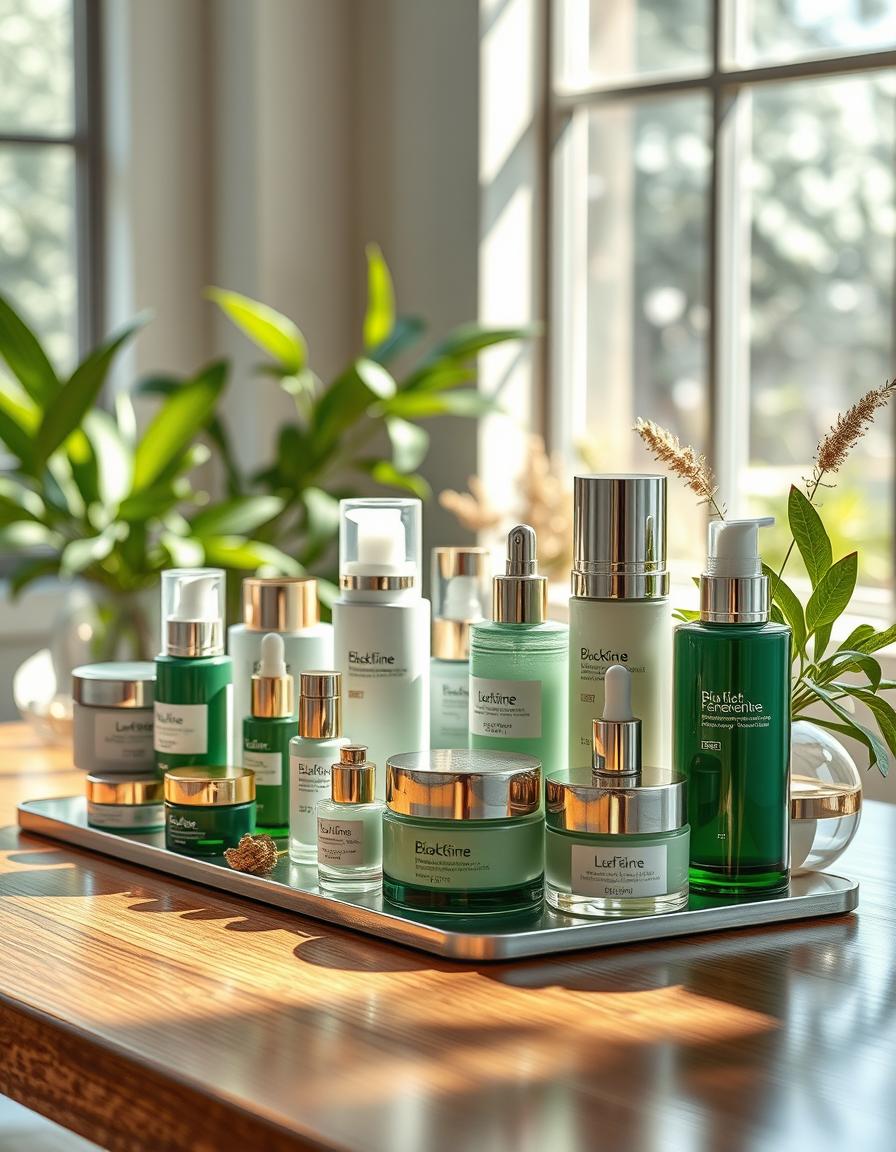
Aging is a natural part of life, but many people want to stay youthful and vibrant for as long as possible. This desire has fueled a booming industry focused on anti-aging products and solutions. Over the years, science and technology have reshaped how we approach aging, creating new opportunities and challenges for the anti-aging market. Understanding the latest anti aging market trends can help consumers, businesses, and health professionals stay ahead and make smart choices.
Current Landscape of the Anti-Aging Market
The anti-aging market is vast and varied, ranging from skincare products and supplements to high-tech treatments like stem cell therapy and gene editing. Consumers are more informed than ever, demanding products that prove their effectiveness and safety. This shift has encouraged companies to innovate and provide clearer evidence of their claims.
Some key sectors in the current market include:
- Skincare products: Creams, serums, and sunscreens that protect and repair skin.
- Cosmetic procedures: Fillers, Botox, laser treatments, and plastic surgeries.
- Dietary supplements: Vitamins, antioxidants, and compounds believed to slow aging.
- Wearables and apps: Devices that track health metrics and encourage lifestyle changes.
Emerging Anti Aging Market Trends
1. Personalized Skincare and Treatments
Gone are the days when one-size-fits-all solutions dominated the market. Now, companies are using data from genetic testing, skin analysis, and lifestyle habits to offer personalized anti-aging plans. This approach means you get products and treatments that match your unique skin type and aging process. It’s like having a tailor-made skincare routine that works just for you.
2. Natural and Clean Ingredients
People are paying more attention to what they put on and in their bodies. The demand for natural, cruelty-free, and eco-friendly anti-aging products is soaring. Ingredients like hyaluronic acid, peptides, plant extracts, and vitamins are popular because they deliver results without harsh chemicals. This trend reflects a broader shift toward wellness and sustainability.
3. Technology-Driven Solutions
Technology is transforming aging more than ever before. From AI-powered skin scanners to microcurrent devices that tone facial muscles, the future is high-tech. Laser treatments continue to improve, offering less downtime and better outcomes. Even artificial intelligence is helping companies develop smarter products by analyzing huge amounts of data about skin aging.
4. Preventative Approaches
More than just reversing signs of aging, the focus is shifting to prevention. Many people are adopting lifestyles and products that help delay aging effects before they start. Think sun protection, better sleep, balanced diets, and stress reduction. This shift means the market is expanding beyond quick fixes to long-term health and beauty.
5. Men’s Skincare and Anti-Aging Products
The stereotype that skincare is only for women is fading fast. Men’s anti-aging products and routines are gaining popularity as more men care about their appearance and health. This has opened new doors for brands targeting male consumers with products that suit their skin and preferences.
Popular Ingredients Driving the Market
Products featuring certain ingredients tend to grab attention because of their scientifically backed benefits. Here’s a quick snapshot:
| Ingredient | Benefits | Common Products |
|---|---|---|
| Retinol | Stimulates collagen, reduces wrinkles and fine lines | Serums, creams |
| Vitamin C | Brightens skin, fights free radicals | Serums, moisturizers |
| Hyaluronic Acid | Hydrates and plumps skin | Lotions, injectables |
| Peptides | Helps build skin proteins | Creams, masks |
Challenges Facing the Anti-Aging Industry
Despite the excitement and innovation, the anti-aging market faces some bumps along the road. One major challenge is separating fact from fiction. The market is flooded with products making big claims that lack solid scientific proof. This can confuse consumers and erode trust.
Regulation is another tricky area. Different countries have varying rules on what ingredients and claims are allowed. This patchwork can slow down product availability or lead to inconsistencies.
Cost is a concern too. Many of the most advanced treatments and products come with a hefty price tag, which may limit access for some consumers. Companies need to find ways to offer effective products that remain affordable without compromising quality.
The Role of Lifestyle in Anti-Aging Trends
While products and treatments grab most headlines, many experts emphasize lifestyle as the strongest anti-aging tool. Eating a balanced diet rich in antioxidants, exercising regularly, managing stress, and getting enough sleep can work wonders. Even staying socially active and mentally engaged contributes to healthy aging.
This holistic approach fits well with the latest market trends, as consumers are more willing to invest in health coaches, apps, and wellness programs that support a youthful life from the inside out.
If you’re hunting for the best age renewal creams, combining these with healthy habits is a smart strategy. After all, your skin tells the story of your lifestyle choices over time.
Looking Ahead: Future Predictions for the Anti-Aging Market
The future looks exciting and full of possibilities. Here are some trends experts believe will shape the next decade:
- Integration of AI and Big Data: More personalized and effective products developed with data-driven insights.
- Advances in Regenerative Medicine: Treatments that repair and regenerate tissues, potentially reversing some aging signs.
- Sustainability Focus: Eco-friendly packaging and ingredients becoming standard expectations.
- Expansion of Men’s Market: A wider variety of products aimed specifically at male consumers.
- Holistic Wellness Packages: Combining skincare, nutrition, mental health, and fitness into comprehensive anti-aging programs.
The anti aging market trends point to a future where aging gracefully is more accessible for everyone. With a combination of science, smart lifestyle choices, and innovative products, looking and feeling young may become a reality for a much larger segment of the population.
Conclusion
The future of anti-aging is bright and full of innovation. As anti aging market trends continue to evolve, consumers are discovering more personalized, natural, and effective ways to maintain their youth and vitality. While challenges remain, advances in technology and a stronger focus on prevention and lifestyle offer new hope. Whether you’re exploring the latest high-tech treatments or the best creams and supplements, staying informed can help you make choices that support your unique journey through life’s stages.

Hey, I’m Zara! I’m all about simple, healthy living and feeling your best every day. On this blog, I share easy wellness tips, real talk about health, and small changes that make a big difference. Let’s keep it real, stay inspired, and feel good, together.