
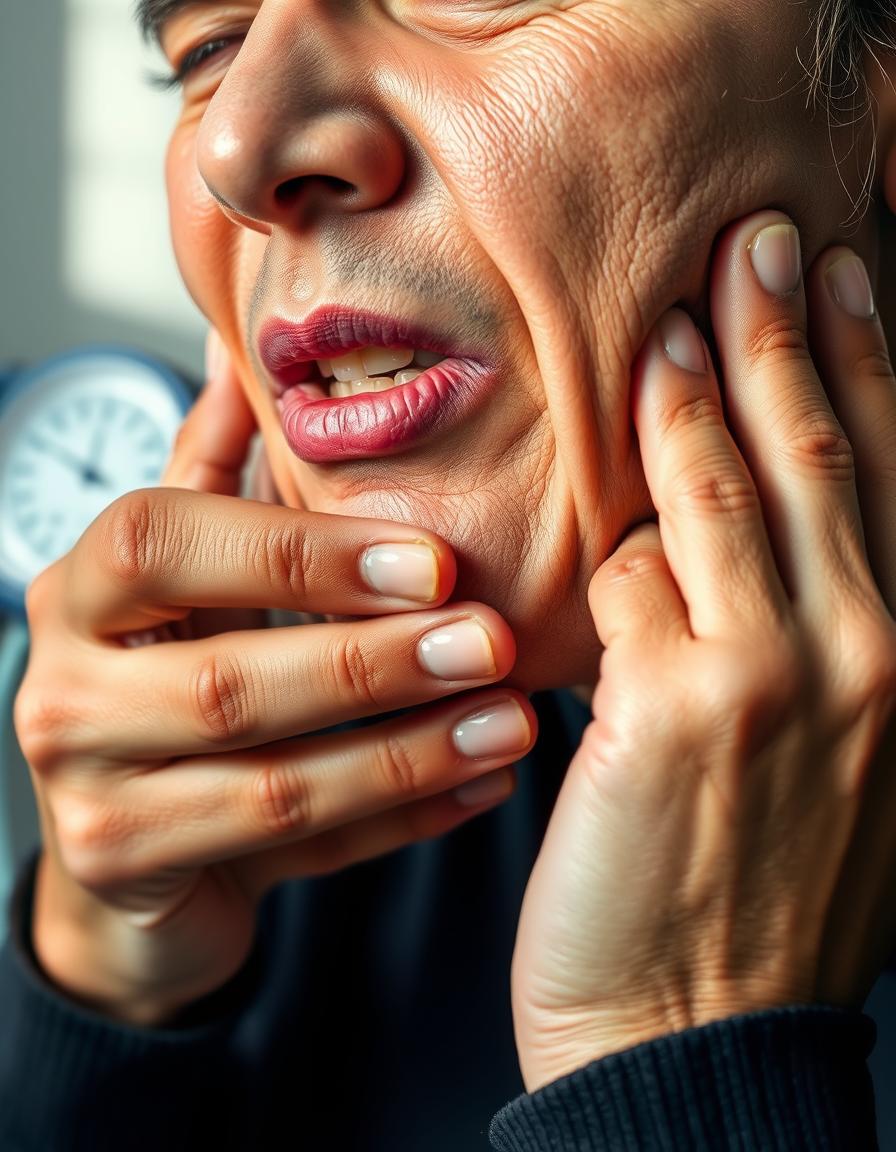
Tooth pain is something many of us dread—it can appear suddenly and make even a simple chew unbearable. But have you ever wondered if that nagging toothache could be more than just a dental issue? Specifically, can tooth pain cause high blood pressure? This question is surprisingly common, and understanding the connection might help you manage both your oral health and overall wellbeing better.
How Tooth Pain Affects Your Body
When you experience tooth pain, your body doesn’t just sit quietly. Pain triggers a stress response. Your brain signals the release of stress hormones like adrenaline and cortisol. These hormones prepare your body for a “fight or flight” reaction. As a result, your heart rate may increase, and blood vessels can tighten, causing your blood pressure to rise temporarily.
So yes, tooth pain can lead to short-term spikes in blood pressure. But what about long-term effects? That’s where things get interesting.
The Role of Inflammation
Tooth pain is often caused by infection or inflammation, such as gum disease or an abscessed tooth. Chronic inflammation in the mouth can send signals throughout the body, contributing to systemic inflammation. Doctors have linked this kind of inflammation to conditions like heart disease and hypertension (which is the medical term for high blood pressure).
Think of inflammation like a campfire. A little smoke might not bother you much, but if that smoke fills the whole forest, it becomes a big problem. Similarly, ongoing oral inflammation might affect your blood vessels and heart, potentially causing blood pressure to increase.
Can Tooth Pain Cause High Blood Pressure?
The simple answer is yes—especially if the tooth pain is related to an infection or severe dental issues. Here’s why:
- Stress Response: Pain causes stress, and stress raises blood pressure.
- Systemic Inflammation: Oral infections can inflame your body, affecting blood pressure control.
- Pain-Related Lifestyle Changes: Severe tooth pain might affect your sleep and diet, both of which influence blood pressure.
While a single episode of tooth pain probably won’t cause long-lasting hypertension, ongoing dental problems could contribute to it. So, monitoring oral health is important not just for your teeth but for your heart too.
What Science Says
| Study | Findings | Implications |
|---|---|---|
| Journal of Hypertension (2017) | Chronic gum disease linked with slight blood pressure increases | Oral infections may contribute to hypertension risk |
| American Heart Association (2015) | Inflammation from infections can worsen cardiovascular health | Dental care helps manage overall heart health |
| International Dental Journal (2019) | Patients with tooth abscesses showed elevated stress hormones | Pain management could reduce blood pressure spikes |
Signs You Shouldn’t Ignore
Not every toothache will cause blood pressure problems, but if you notice these signs, it’s time to act fast:
- Severe, persistent tooth pain lasting more than a day
- Swelling around the tooth or jaw area
- Headaches accompanied by tooth pain
- Dizziness or feeling faint during tooth pain episodes
- High blood pressure readings alongside tooth pain symptoms
If you suspect your tooth pain might be affecting your blood pressure, visiting your dentist or doctor is crucial. Proper treatment can ease pain and potentially normalize your blood pressure.
Tips to Manage Tooth Pain and Keep Blood Pressure in Check
Feeling that pulsing tooth pain and worrying about your blood pressure can be stressful. Here are some straightforward steps to help you feel better and stay healthy:
- Visit a Dentist Promptly: Don’t put off dental check-ups; early treatment prevents complications.
- Manage Pain Safely: Use recommended painkillers and avoid self-medicating with unknown remedies.
- Maintain Oral Hygiene: Brushing, flossing, and regular cleanings reduce infection risk.
- Monitor Blood Pressure: Keep track of your readings during episodes of tooth pain.
- Reduce Stress: Relaxation techniques can lower both pain and blood pressure.
For those curious about what dental treatment results look like, a quick online search for dental hygienist before and after shows just how transformative proper dental care can be—not only for your smile but your overall health.
When to See a Doctor or Dentist About Blood Pressure and Tooth Pain
It’s understandable to wonder if your aching tooth is quietly raising your blood pressure. If your readings are consistently above 130/80 mmHg during tooth pain episodes, it’s a good idea to get medical attention. Your healthcare provider might check both your heart and dental health to get to the bottom of the issue.
Also, if your tooth pain is severe or worsening, don’t wait. Untreated infections can spread and cause serious health problems. Remember, addressing oral health issues early can prevent headaches—literally and figuratively—down the road.
Common Myths About Tooth Pain and Blood Pressure
- Myth: Tooth pain causes permanent high blood pressure.
Fact: Tooth pain can cause temporary increases but usually doesn’t cause chronic hypertension on its own. - Myth: Only unhealthy people get blood pressure spikes from tooth pain.
Fact: Anyone can experience stress-induced blood pressure rises during pain. - Myth: Painkillers fix blood pressure spikes caused by tooth pain.
Fact: painkillers help with pain but managing infection and dental health is key for blood pressure control.
Conclusion
Can tooth pain cause high blood pressure? The answer is yes, particularly if the pain comes from infections or chronic oral problems. Tooth pain triggers stress and inflammation, which can lead to temporary or even longer-lasting increases in blood pressure. Paying attention to your dental health not only prevents pain but could also help keep your blood pressure in a healthier range.
If you ever find yourself squeezed between a tight jaw and a rising blood pressure monitor reading, don’t just grin and bear it. Consult healthcare professionals who can help you get to the root of your pain and protect your heart. After all, a healthy smile often reflects a healthy body—and vice versa.

Hey, I’m Zara! I’m all about simple, healthy living and feeling your best every day. On this blog, I share easy wellness tips, real talk about health, and small changes that make a big difference. Let’s keep it real, stay inspired, and feel good, together.