
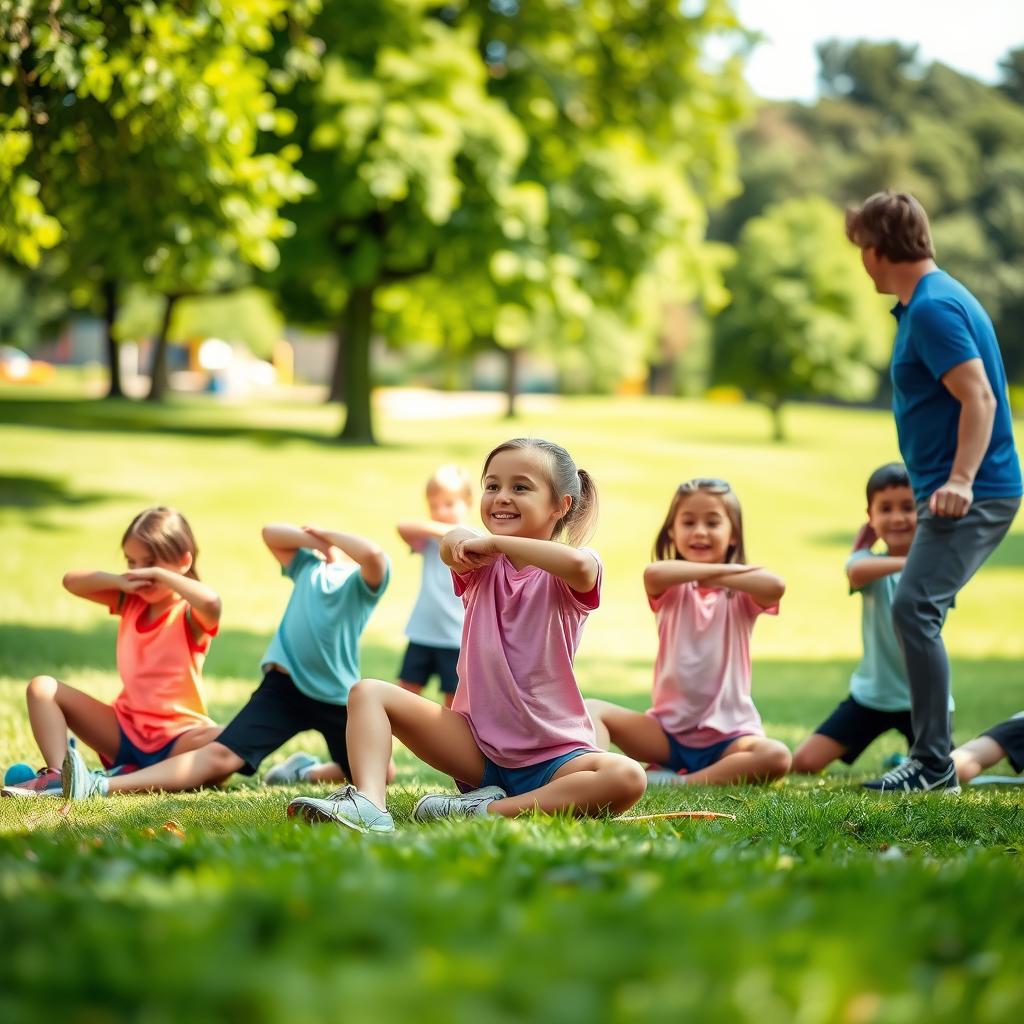
Kids live dynamic lives whether it’s sprinting across the soccer field, mastering dance routines, or simply staying active in PE class. For young, growing bodies, proper muscle care is absolutely essential. That’s where a simple but powerful practice like kids stretching quads can make all the difference. Not only does stretching build flexibility, but it also fortifies muscles against strain and injury, helping kids play harder and recover faster.
Think about it: strained or tight quadriceps can lead to bigger problems over time, such as knee pain or other growth-related leg issues like Osgood-Schlatter Disease. But with the right stretches, these risks can be minimized while promoting healthy muscle growth. Let’s dive into safe and fun quad stretches that kids (and worried parents!) will love.
Simple Quad Stretches Every Kid Can Master
Check out these easy stretches designed for growing muscles. They’re quick, effective, and can be incorporated into daily routines or warm-ups before sports practices or games:
- The Standing Quad Stretch: Have your child stand tall, hold onto a wall for balance if needed, bend one leg backward, and gently pull the ankle toward their glutes. Hold for 20-30 seconds on each side.
- The Lunge Stretch: Step one foot forward into a lunge position, keeping the back leg straight to stretch the front of the rear thigh. Hold for 20 seconds, then switch sides.
- The Side-Lying Stretch: While lying on their side, kids can bend the top leg back and use their hand to pull the foot toward their glutes. This position is ideal for beginners.
Stretching doesn’t need to be complicated or boring turn it into a game by challenging your child to hold poses while counting together or timing stretches with their favorite song. The goal is consistency and fun, so they’ll stick with the habit and enjoy long-term benefits.
So, how often should kids stretch their quads? Ideally, make it a part of their daily routine or at least three times a week. As they stretch, remind them to breathe deeply and avoid bouncing, which can strain their muscles. When done correctly, quad stretches not only improve flexibility but also reduce soreness and the risk of injury, helping your child stay active and thrive.
Why Quad Stretching Matters for Kids
Have you ever thought about how much your child’s quadriceps the powerful muscles along the front of their thighs do every single day? From running to jumping and even squatting to tie their shoes, their quads are constantly in motion. But what happens when these key muscles are neglected? Tightness, poor posture, and a higher risk of strains can sneak up before you realize it. Thankfully, injury prevention is simple: regular quad stretching.
Why focus on quad stretching?
Beyond preventing discomfort or injury, quad stretches offer some incredible perks for kids. When done routinely and correctly, kids stretching quads helps prevent overuse injuries in sports. Moreover, improved flexibility promotes better athletic performance, sharper balance, and enhanced coordination essential skills for growing bodies and active lifestyles. Plus, it sets the stage for healthy habits as they mature.
What Happens When Quad Stretching Is Neglected?
Let’s dive deeper into why ignoring this powerful muscle group is risky:
- Muscle Tightness: Tight quads pull on nearby joints, increasing the risk of knee pain or discomfort.
- Poor Posture: Weak or overstretched quadriceps can disrupt alignment, leading to awkward posture and uneven movement.
- Greater Injury Risk: Sports-related strains become more likely when neglected muscles fail to handle repetitive motions.
These issues can be avoided by introducing quad stretches into your child’s routine, paired with warm-ups and cooldowns during physical activities. For those ready to take things further, you can learn exercises that start with 0 to help make stretching programs dynamic and fun.
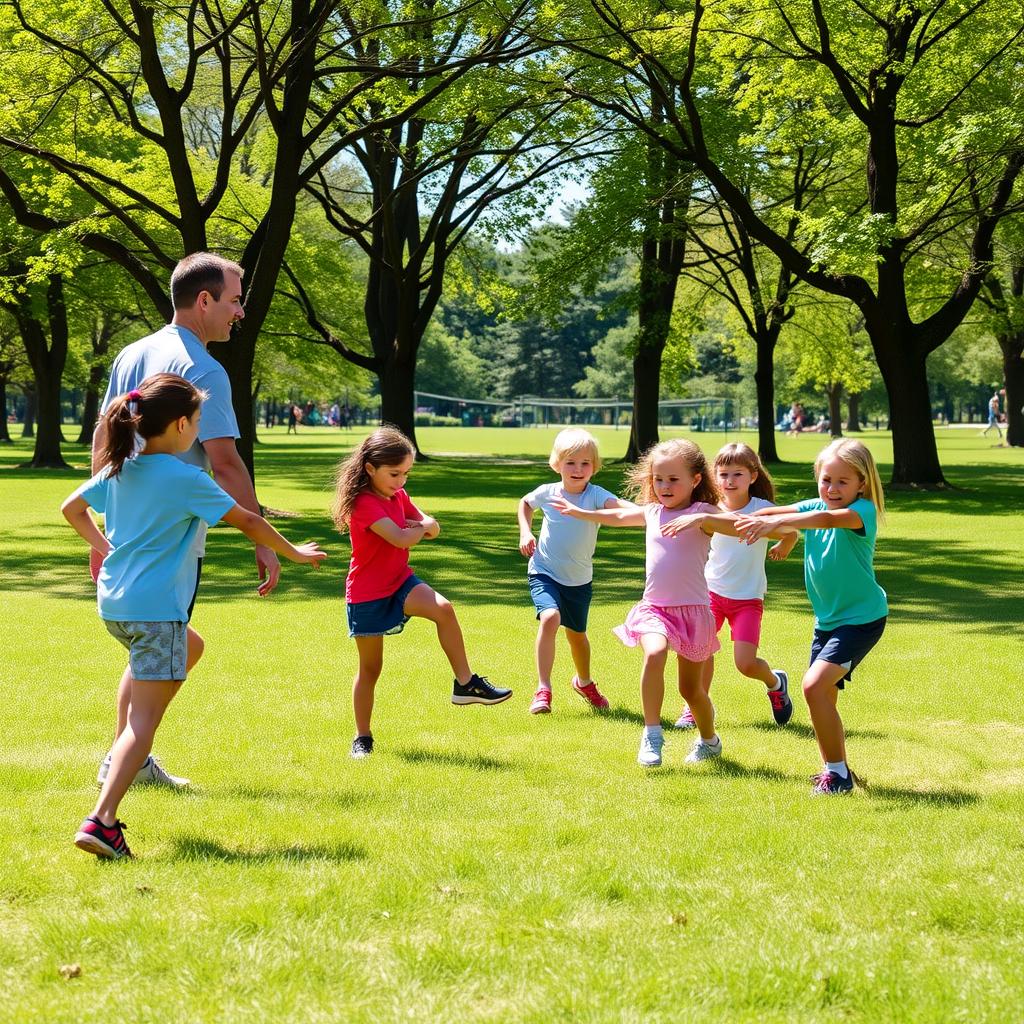
The Anatomy of the Quadriceps
To understand why quad stretching matters, let’s take a closer look at its anatomy. The quadriceps group consists of four muscles: the rectus femoris, vastus lateralis, vastus medialis, and vastus intermedius. These muscles are critical for extending the knee and stabilizing the body during movements like running, jumping, or cycling. Stretching keeps them flexible, ensuring they work efficiently without overloading nearby tendons or joints.
Key Benefits of Quad Stretching
Regular stretching transforms young athletes into agile, injury-resistant movers. Here’s what makes it indispensable:
| Benefit | Description | Impact |
|---|---|---|
| Flexibility | Prevents tight muscles and increases range of motion. | Improved performance and reduced risk of strains. |
| Muscle Balance | Supports coordination between muscle groups like hamstrings and calves. | Better movement efficiency and athletic balance. |
| Injury Prevention | Minimizes the likelihood of sports-related injuries. | Stronger, more resilient muscles and joints. |
| Posture | Supports spine alignment by evening out muscle tension. | Healthier movement patterns and reduced joint stress. |
Encouraging your child to incorporate quad stretches is a simple yet effective strategy to keep their muscles healthy. Empower them with routines that nurture flexibility, build strength, and protect against injuries, ensuring they stay safe while chasing their goals in sports and play. Quad stretching isn’t just good for the body it’s essential for maintaining an active lifestyle.
Common Mistakes Kids Make When Stretching Quads
Have you ever watched kids stretch and felt like something was a little off? It’s probably because stretching, while seemingly simple, can go wrong if it’s not done carefully and quad stretches are especially prone to mistake. The good news is that breaking these bad habits early can significantly reduce the risk of injury and discomfort down the line. Let’s dive into some frequent missteps kids make when stretching their quads and how to fix them.
1. Rushing or Bouncing During Stretches
Speed isn’t your friend when it comes to stretching, especially for kids. Rushing through a stretch or bouncing in positions can strain muscles instead of elongating them. This common mistake not only makes the stretch less effective but could also lead to tiny tears in the muscle fibers, especially in the quads. Encourage your kids to hold stretches evenly and focus on slow, steady movements to protect their growing muscles.
2. Overstretching Without Warm-Up
Starting an intense quad stretch without warming up is like forcing a car to race without letting the engine heat up first it’s asking for trouble. Cold muscles are stiff, and if kids dive straight into a deep stretch, they’re risking pain or even injury. A brisk warm-up jog or some dynamic stretches can get blood flowing and prepare their quads for safe stretching.
3. Poor Form and Twisting
This is a big one! Kids often pull their legs too hard, twist their hips, or arch their backs in awkward ways when stretching their quads. Not only does this diminish the benefit of the stretch, but it also puts undue pressure on joints and may throw off their natural alignment. Remind kids to keep a neutral posture and gently bring their heel toward their glutes without forcing it.
4. Copying Adults’ Routines
While imitation is how kids learn, mimicking adult stretching routines can backfire. Adults often attempt advanced poses or deepen stretches that children’s growing bodies aren’t equipped for yet. Instead, tailor stretches specifically for kids simple, safe, but just as effective.
To ensure kids stretch their quads safely, keep these tips in mind:
- Always warm up before attempting static stretches.
- Focus on controlled movements slow and steady wins the race.
- Monitor posture to avoid leaning, twisting, or jerking.
- The goal isn’t flexibility at all costs. Encourage gradual progress.
Remember, injury prevention starts with understanding proper technique. If you’re looking for other ways to optimize movement strategies, consider exploring how high frequency training maximize muscle growth but tailored appropriately for your child’s needs. Quad stretching doesn’t have to be complicated; it just requires the right approach.
How to Prevent Injuries with the Right Technique
When it comes to preventing injuries in kids, stretching quads the right way starts with proper preparation. Have you ever noticed how much easier physical activities feel after a good warm-up? For young athletes, it’s especially important to get the blood flowing and muscles primed before stretching. Light cardio activities like jogging, skipping, or even playful jumping can ramp up circulation and loosen stiff muscles, paving the way for safe stretching sessions. Let’s explore three highly effective quad stretches tailored for kids.
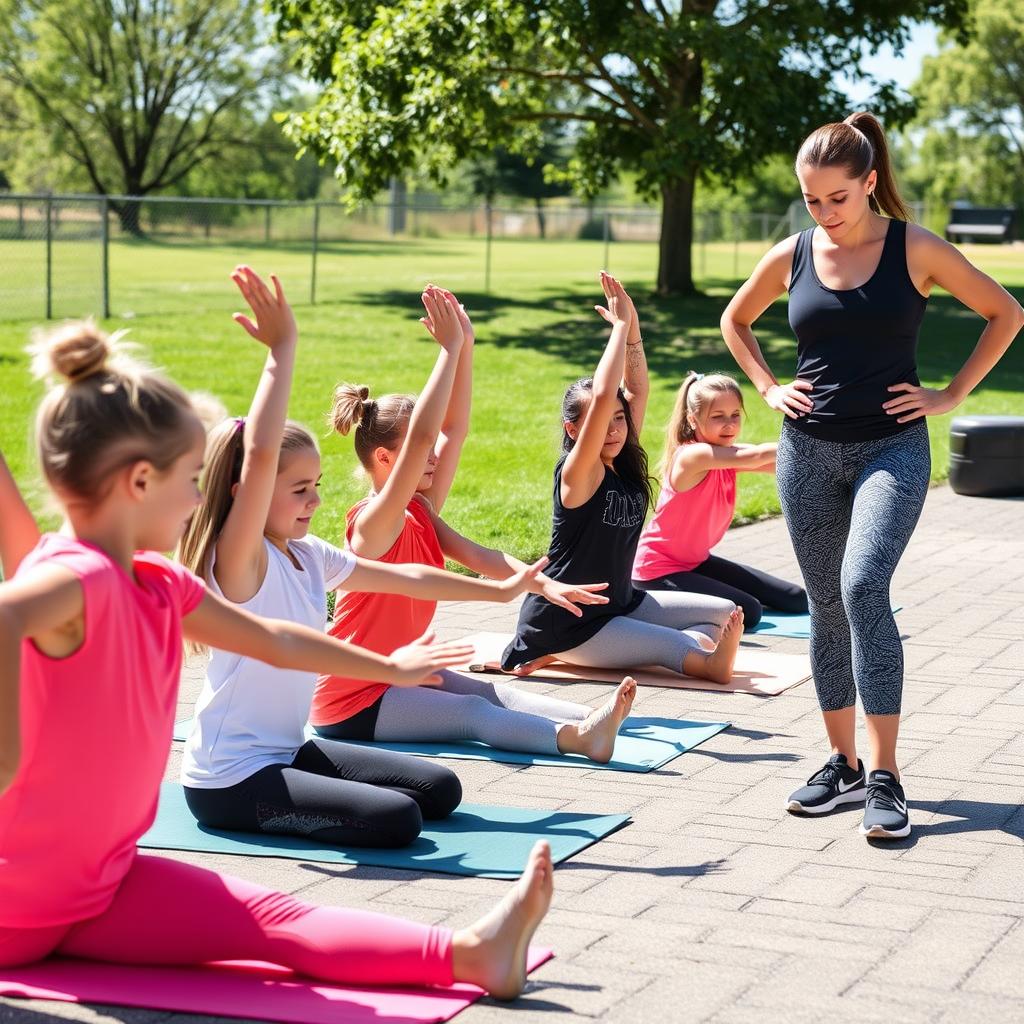
Safe Quad Stretches for Kids
Stretching can be tricky for kids if not executed properly. That’s why these techniques not only focus on effective muscle elongation but also prioritize safety and proper positioning.
- Standing Quad Stretch (with wall support): Standing tall, hold onto a nearby wall or sturdy surface for balance. With one hand, grab the ankle of one leg and gently pull toward the glutes, ensuring the knee points downward. Hold for 20 seconds and repeat on the other leg.
- Side-Lying Quad Stretch: Lie on your side with one leg straight and the other bent backward at the knee. Use the hand on the bent-leg side to gently pull the ankle toward the buttocks without forcing the stretch. This position helps provide stability while concentrating on flexibility.
- Partner-Assisted Stretch (with caution): Partners can help improve the depth of quad stretches, but make sure communication is clear to avoid discomfort. Have the child lie face down while the partner slowly lifts one ankle toward the glutes, holding for about 15 seconds. Always monitor the stretch closely.
Quick Reference Guide: Stretching Dos and Don’ts
| Do | Don’t |
|---|---|
| Start with a warm-up (light jogging or skipping). | Stretch cold muscles without preparation. |
| Hold each stretch for 15-20 seconds. | Bounce or jerk during the stretch. |
| Focus on proper form and alignment. | Force a stretch comfort is key. |
| Encourage slow, deep breathing while stretching. | Rush through the process; stretching takes time. |
By teaching your kids these quad stretches using the right technique, you’ll set them up for success both on the field and off. The combination of warm-ups, safe movements, and proper monitoring will keep their muscles strong and flexible, reducing injury risks significantly.
Fun and Kid-Friendly Ways to Stretch
Stretching doesn’t have to be boring or feel like a chore, especially when it comes to kids. By turning stretches into games or adding some creative flair, you can keep young athletes engaged while helping them stretch their quadriceps safely and effectively. What if stretching became something they actually looked forward to? Let’s explore some playful and exciting ways to make quad stretches fun for kids.
1. Turn Stretches into Games
One fantastic idea is the “flamingo balance” game for the standing quad stretch! Challenge kids to hold their balance on one leg while grabbing the other foot for a gentle stretch. Add a twist by asking, “How long can you hold your flamingo pose?” or creating friendly competitions where everyone counts out loud. This simple game engages their balance and keeps them focused while stretching those crucial quad muscles.
2. Use Playful Timers or Upbeat Music
Timers don’t have to be plain and boring. Try using colorful, kid-friendly apps or countdown tools with exciting visuals. Alternatively, let the kids pick their favorite song segment for the stretch duration. When the music stops, everyone switches sides! This gives them something fun to associate with their stretching routine, making the experience less intimidating and more energetic.
3. Make It a Group Activity
Stretching is more fun with friends, so why not incorporate group stretches? Whether it’s with classmates or teammates, create a bonding experience by organizing activities where everyone stretches together. For teams, you could use this as part of a warm-up or cooldown routine. The camaraderie encourages kids to participate while adding a social element that keeps the mood upbeat.
- Lead stretches during team practices or PE classes to build habits as a group.
- Use fun prompts like, “Stretch to the sky like a superhero before touching your toes like a spy!”
- Pair kids up for partner stretches, like helping each other stay balanced during the flamingo stretch.
4. Keep Sessions Short and Engaging
Kids have short attention spans, so keep flexibility sessions around 5-10 minutes. Incorporate variety to stop those wandering minds. If they’re moving between games, music, and interactive group moments, they’ll stay engaged while still getting the benefits of stretching their quads.
When stretching becomes fun and interactive, kids are more likely to embrace it as a healthy habit. By blending creativity and play into quad stretches, you not only protect them from injury but also foster a positive relationship with physical activity. Why not give it a try in your next session? Find what clicks with your little athletes and watch their flexibility soar!
Extra Safety Tips for Parents & Coaches
When it comes to kids stretching their quads, safety should always be a top priority. Proper technique ensures effective stretching while reducing the risk of injuries. As a parent or coach, you play a key role in observing and guiding these practices. Below are some essential safety tips to keep in mind:

- Monitor Posture and Breathing: Good posture during stretches is critical. Poor alignment can strain the wrong muscles and lead to discomfort. Encourage children to sit or stand tall, keeping their back straight. Pair this with relaxed, steady breathing, holding one’s breath during a stretch can increase tension and limit flexibility.
- Encourage Hydration: Before and after any physical activity, make hydration a priority. Proper fluid intake helps maintain muscle elasticity and prevents cramping during stretching sessions. Keep a water bottle handy and reinforce the habit of frequent sips.
- Stop Stretching if Pain Occurs: Stretching should never feel painful. Teach children to distinguish between mild discomfort (a sign that the muscle is working) and sharp pain, which might indicate strain or injury. If pain arises, stop immediately and reassess technique or consult a professional.
- Incorporate Stretching into Warm-Up and Cool-Down: Stretching isn’t a stand-alone activity its effectiveness increases when paired with warm-up and cool-down routines. Begin with light movements to prepare the body for stretching, and end with stretches to relax and lengthen muscles post-activity.
To help streamline safety practices, reference the table below for quick, actionable guidance:
| Safety Tip | Why It’s Important | Steps to Apply |
|---|---|---|
| Monitor Posture | Prevents muscle strain and promotes effective stretching. | Check alignment of back, knees, and hips during each stretch. |
| Encourage Hydration | Reduces risk of cramping and muscle fatigue. | Ensure children drink water 30 minutes before and immediately after activity. |
| Stop if Pain Occurs | Protects muscles from potential overuse or injury. | Ask children to describe sensations during stretches; stop if sharp pain arises. |
| Warm-Up and Cool-Down | Prepares muscles for movement and aids recovery. | Integrate dynamic movements before stretching and static stretches afterward. |
By following these tips, you not only help kids stretch their quads the right way but also foster habits that build lifelong physical health.
When to Seek Professional Help for Quad Pain in Kids
While stretching and regular conditioning are fantastic ways to prevent injuries, sometimes aches and pains in the quadriceps signal a deeper issue that needs professional attention. Recognizing the signs early can make all the difference in preventing long-term damage. So, how do you know when it’s time to consult a pediatric physiotherapist?Here are the key warning signs that your child’s quad pain might go beyond normal soreness:
- Sharp Pain: If your child complains about intense, localized pain in their quadriceps, especially when walking or stretching, it could be a sign of injury or strain.
- Swelling: Visible swelling or tenderness in the quad area after activity may indicate inflammation or muscle damage.
- Limping: Pay attention to significant changes in your child’s gait, limping after physical activity or favoring one leg can point to a potential injury.
If these symptoms persist or occur repeatedly, don’t hesitate to seek guidance from a pediatric physiotherapist. Why? Recurring pain, especially during growth spurts or sports activities, can lead to chronic issues like muscle imbalances or long-term complications. A professional can identify the root cause, provide targeted treatment plans, and ensure your child maintains healthy, flexible quads.
Remember, early intervention is key! Physiotherapists don’t just help with recovery; they also guide preventative strategies tailored to your child’s needs. Does your child have recurring quad pain that limits their favorite activities? Scheduling a consultation can set them up for faster recovery and a return to full, pain-free mobility.
By taking proactive steps, you’re not only ensuring your child’s rehabilitation but also paving the way for a stronger, healthier future on and off the field.
When it comes to keeping kids active and injury-free, stretching is an unsung hero. Specifically, focusing on the quadriceps the large muscles at the front of the thighs can significantly reduce the risk of sports-related injuries and boost overall performance. But are your kids stretching quads the right way? Proper technique can mean the difference between a safe, rewarding workout and unnecessary strain. That’s why it’s essential for parents, coaches, and caregivers to encourage consistent, correct stretching practices suited to growing bodies.
Stretching routines don’t have to feel like a chore-in fact, they can be an enjoyable and engaging part of any child’s physical activity. To make it safer and more effective, keep a few important principles in mind:
- Warm-Up First: Encourage kids to spend 5-10 minutes warming up with light activities like jogging or dynamic movements before stretching to prepare their muscles.
- Focus on Technique: Make sure stretches target quads properly. For example, standing quad stretches or lunges should be performed gradually to avoid jerking or overextension.
- Consistency is Key: Stretching should be part of every practice or game day, especially during preseason conditioning.
- Listen to Their Bodies: If your child feels pain while stretching, it’s a sign to stop immediately and seek guidance from a physical therapist or coach.
By sticking to these guidelines, you’ll not only help prevent injuries like quadriceps contusions and knee-related syndromes but also ensure your child enjoys sports while staying safe. Implementing routines that are both fun and functional can help kids make stretching a lifelong habit, and isn’t that what we all want?
If you’re unsure about where to start, check out this comprehensive guide on stretching basics. It’s packed with simple steps and expert advice to help kids stretch the smart way.
Want to explore more kid-friendly fitness tips? It’s time to make physical activity safe, exciting, and pain-free for your little athletes!

Hey, I’m Zara! I’m all about simple, healthy living and feeling your best every day. On this blog, I share easy wellness tips, real talk about health, and small changes that make a big difference. Let’s keep it real, stay inspired, and feel good, together.